Well-preserved bones of rat-sized creatures excavated in an Indian coal mine may come from close relatives of the first primate-like animals, Iowa, USA, researchers describe.

A set of two dozen limb fossils, dating to about 54.5 million years ago during the Eocene, raises India’s profile as a possible hotbed of early primate evolution, says biologist Dr. Rachel Dunn.

Bones from Vastan coal mine in Gujarat, India’s westernmost state, indicate that these small tree-dwellers resembled the first primates from as early as 65 million years ago, the scientists report in the October 2016 Journal of Human Evolution.

These discoveries add to previously reported jaws, teeth and limb bones of four ancient primate species found in the same mine. “The Vastan primates probably approximate a common primate ancestor better than any fossils found previously,” says paleontologist and study co-author Dr. Kenneth Rose of Johns Hopkins University.

The Vastan animals were about the size of living gray mouse lemurs and dwarf lemurs, weighing roughly 150 to 300 grams (about half a pound), the investigators estimate.

Most Vastan creatures possessed a basic climbing ability unlike the more specialized builds of members of the two ancient primate groups that gave rise to present-day primates, the researchers say. One of those groups, omomyids, consisted of relatives of tarsiers, monkeys and apes.

The other group, adapoids, included relatives of lemurs, lorises and bushbabies. The Indian primates were tree-dwellers but could not leap from branch to branch like lemurs or ascend trees with the slow-but-sure grips of lorises, the new report concludes.

Vastan primates probably descended from a common ancestor of omomyids and adapoids, the researchers propose. India was a drifting landmass headed north toward a collision with mainland Asia when the Vastan primates were alive. Isolated on a huge chunk of land, the Indian primates evolved relatively slowly, retaining a great number of ancestral skeletal traits, the researchers propose.
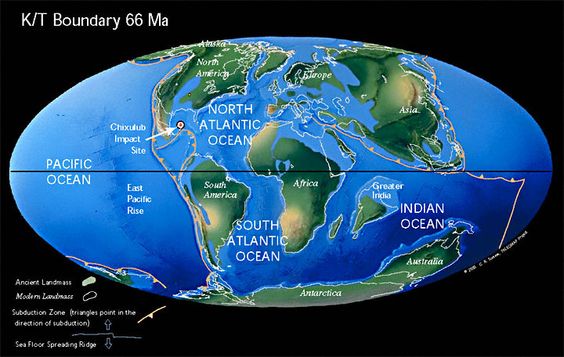
“It’s possible that India played an important role in primate evolution,” says evolutionary anthropologist Dr. Doug Boyer of Duke University. In 2010, a team led by Boyer reported that a roughly 65-million-year-old fossil found in southern India might be a close relative of the common ancestor of primates, tree shrews and flying lemurs (which glide rather than fly and are not true lemurs).

One possibility is that primates and their close relatives evolved in isolation on the island continent of India between around 65 million and 55 million years ago, Dr. Boyer suggests. Primates then spread around the world once India joined Asia by about 50(?) million years ago.

This is a controversial idea. An increasing number of scientists suspect primates originated in Asia. Chinese primate fossils dating to 56 million to 55 million years ago are slightly older than the Vastan primates. The Chinese finds show signs of having been omomyids.
And in at least one respect, Dr. Boyer says, some of the new Vastan fossils may be more specialized than their discoverers claim. Vastan ankle bones, for instance, look enough like those of modern lemurs to raise doubts that the Indian primates were direct descendants of primate precursors.

Dr. Dunn, however, regards the overall anatomy of the Vastan fossils as “the most direct evidence we have” that ancestors of early primates lacked lemurs’ leaping abilities, contrary to what some researchers have argued.
Your thoughts? Omo or Ada? Or?
Steph
P.S. My oldest peach tree is loaded with fruit this year! They are just ripening now.


A set of two dozen limb fossils, dating to about 54.5 million years ago during the Eocene, raises India’s profile as a possible hotbed of early primate evolution, says biologist Dr. Rachel Dunn.

Bones from Vastan coal mine in Gujarat, India’s westernmost state, indicate that these small tree-dwellers resembled the first primates from as early as 65 million years ago, the scientists report in the October 2016 Journal of Human Evolution.

These discoveries add to previously reported jaws, teeth and limb bones of four ancient primate species found in the same mine. “The Vastan primates probably approximate a common primate ancestor better than any fossils found previously,” says paleontologist and study co-author Dr. Kenneth Rose of Johns Hopkins University.

The Vastan animals were about the size of living gray mouse lemurs and dwarf lemurs, weighing roughly 150 to 300 grams (about half a pound), the investigators estimate.

Most Vastan creatures possessed a basic climbing ability unlike the more specialized builds of members of the two ancient primate groups that gave rise to present-day primates, the researchers say. One of those groups, omomyids, consisted of relatives of tarsiers, monkeys and apes.

The other group, adapoids, included relatives of lemurs, lorises and bushbabies. The Indian primates were tree-dwellers but could not leap from branch to branch like lemurs or ascend trees with the slow-but-sure grips of lorises, the new report concludes.

Vastan primates probably descended from a common ancestor of omomyids and adapoids, the researchers propose. India was a drifting landmass headed north toward a collision with mainland Asia when the Vastan primates were alive. Isolated on a huge chunk of land, the Indian primates evolved relatively slowly, retaining a great number of ancestral skeletal traits, the researchers propose.

“It’s possible that India played an important role in primate evolution,” says evolutionary anthropologist Dr. Doug Boyer of Duke University. In 2010, a team led by Boyer reported that a roughly 65-million-year-old fossil found in southern India might be a close relative of the common ancestor of primates, tree shrews and flying lemurs (which glide rather than fly and are not true lemurs).

One possibility is that primates and their close relatives evolved in isolation on the island continent of India between around 65 million and 55 million years ago, Dr. Boyer suggests. Primates then spread around the world once India joined Asia by about 50(?) million years ago.

This is a controversial idea. An increasing number of scientists suspect primates originated in Asia. Chinese primate fossils dating to 56 million to 55 million years ago are slightly older than the Vastan primates. The Chinese finds show signs of having been omomyids.
And in at least one respect, Dr. Boyer says, some of the new Vastan fossils may be more specialized than their discoverers claim. Vastan ankle bones, for instance, look enough like those of modern lemurs to raise doubts that the Indian primates were direct descendants of primate precursors.

Dr. Dunn, however, regards the overall anatomy of the Vastan fossils as “the most direct evidence we have” that ancestors of early primates lacked lemurs’ leaping abilities, contrary to what some researchers have argued.
Your thoughts? Omo or Ada? Or?
Steph
P.S. My oldest peach tree is loaded with fruit this year! They are just ripening now.

